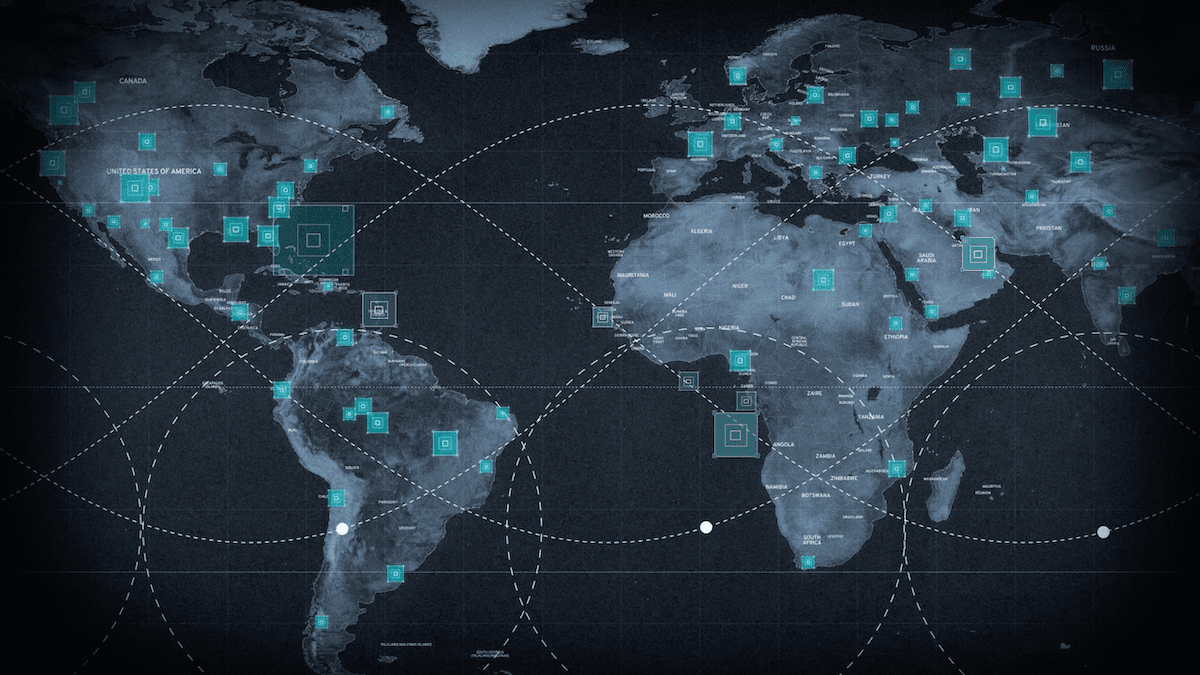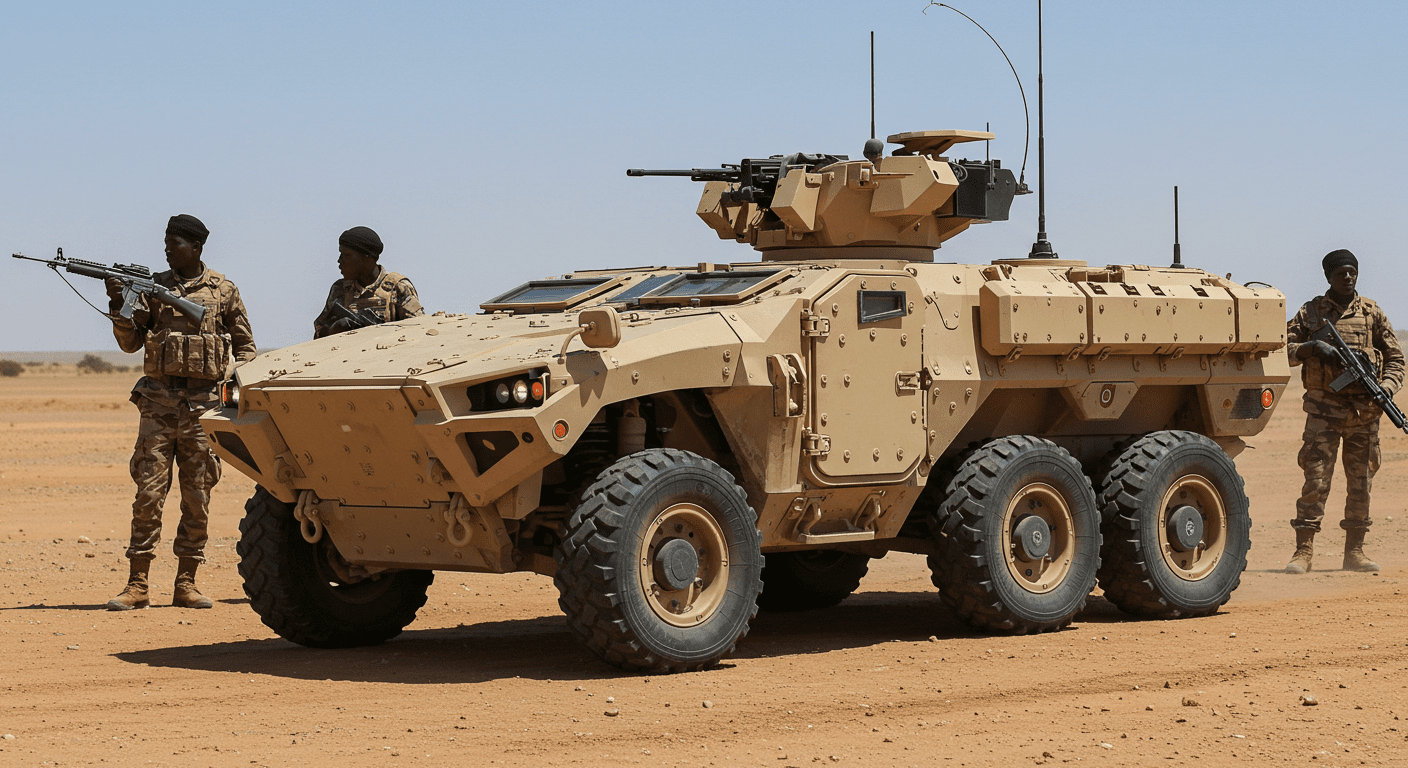
Autonomy in weapons and platforms is no longer a future thought experiment; it is an unfolding feature of modern armed forces. From unmanned surface vessels that patrol without direct human piloting to loitering munitions that can search, classify and maneuver toward targets, autonomous systems are reshaping how militaries sense, decide and act. The change is not only technical but doctrinal: commanders, lawyers and engineers are reconfiguring the relationship between human judgement and machine speed.
What are autonomous combat systems, why they matter now, how they are being used, the policy and legal frameworks being put in place, and the military and ethical trade-offs that follow. It draws on recent tests, field reports and official guidance to give commanders and informed readers the context they need to judge capability, risk and governance.
What do we mean by “autonomous combat systems”?
Autonomy in a weapons context ranges from limited automatic functions (auto-target tracking or automatic flight stabilization) to high degrees of independent decision-making where a system selects and applies force without a human authorising each engagement. Contemporary doctrines prefer precise terminology—“automated,” “autonomous,” “human-supervised autonomous,” and “semi-autonomous”—because each class implies different responsibilities, safety requirements and testing regimens. The Department of Defense’s updated directive on autonomy (DoDD 3000.09) lays out a framework for development, oversight and risk mitigation for weapon systems that include autonomous functions.
Why the tempo now? Sensors, compute and cost
Three technological trends converge to make autonomy operationally attractive. First, sensors—electro-optical, infrared, radar and multispectral suites—have become smaller and more capable, letting unmanned systems perceive complex environments. Second, edge computing and specialized accelerators allow inference and decision logic to run onboard without continuous, high-bandwidth comms. Third, mass-produced airframes and munitions have driven down costs; cheap drones can be fielded in numbers, shifting calculus toward quantity and distributed effects rather than a few expensive platforms. Taken together, these trends enable systems that can patrol, find targets, coordinate with peers and execute tasks with reduced human direction. Recent demonstrations—from persistent unmanned surface vessels to the proliferation of loitering munitions on European battlefields—illustrate that these are not isolated prototypes but operational vectors.
Operational manifestations: what militaries are doing now
Several practical forms of autonomous combat systems are visible in recent programmes and conflicts:
• Unmanned surface and underwater vessels. Platforms like the Sea Hunter prototype have shown that unmanned vessels can carry out long-duration tasks such as anti-submarine tracking and patrols with little direct control, expanding the concept of a distributed fleet. These systems are often used first for sensing and logistics before armed variants are contemplated.
• Loitering munitions and stand-off autonomous weapons. Conflicts have seen loitering systems that can locate and strike time-sensitive targets. Reports from active theaters indicate both incremental autonomy (assisted target classification) and moves toward more advanced navigation and swarm behaviours, prompting scrutiny over rules of engagement and accountability.
• Autonomous air and ground swarms. Research and experimentation focus on swarming tactics where dozens or hundreds of small systems cooperate to overwhelm defenses or execute distributed sensing—forcing defenders to shift from single-shot intercepts to mass-defeat strategies. Swarms amplify the need for robust command, control and reliable identification.
Policy and governance: where governments stand
Policymakers have responded not by banning autonomy outright but by trying to make the use of force observable, testable and accountable. The U.S. DoD updated its autonomy directive in 2023 to require rigorous safety controls, testing, legal reviews and human-supervision standards for weapon systems with autonomous functions. NATO and other alliance bodies are working to create shared norms and interoperability practices, reflecting a desire to keep human judgement central while enabling operational advantages. Meanwhile, the United Nations and human-rights bodies press for transparency and stronger international regulatory measures for lethal autonomous weapons. These overlapping streams—national directives, alliance working groups and multilateral debates—are shaping program requirements and public expectations.
Testing, assurance and the problem of unpredictable contexts
Autonomous systems learn and adapt—or are designed to handle variability—and this raises testing challenges. Unlike deterministic mechanical systems, autonomy may produce emergent behaviours when exposed to novel sensory inputs or adversary interference. DoD policy therefore mandates field- and scenario-based testing that exercises failure modes, human override procedures and cyber resilience. The central technical worry is not that autonomy will always fail but that it may fail in unexpected ways when the environment departs from training data or when adversaries seek to deceive sensors. Robust verification requires interpretable algorithms, controlled red-team attacks, and repeatable test scenarios that mirror deployed conditions.
Ethics, accountability and the chain of command
When a weapon system can select and apply lethal force, questions of moral responsibility and legal liability move up the chain from the operator to commanders, acquisition officials and political leaders. One practical approach adopted by many defence organisations is the “meaningful human control” standard: humans must retain the capacity to understand the system’s intent, intervene when necessary and accept responsibility for outcomes. Implementing that standard is non-trivial—interfaces must present an understandable picture of machine reasoning, and authorities must be trained to use overrides under operational stress. Legal reviews also require that each new autonomous capability be evaluated for compliance with international humanitarian law principles such as distinction and proportionality.
The counter-autonomy arms race: sensors, jamming and deception
As autonomy matures, adversaries invest in counters: signal jamming, spoofing, electromagnetic attack, physical decoys and adversarial-machine-learning techniques that confuse classification models. Defensive architectures therefore emphasize redundancy—multi-modal sensing that fuses RF, visual, acoustic and radar signatures—and layered decision logic that treats single-source inputs cautiously. In parallel, efforts to harden perception stacks, certify dataset provenance and field secure update mechanisms are accelerating. This cat-and-mouse dynamic guarantees that autonomy will push investment into both improved machine discernment and resilient, fail-safe human oversight.
Case studies: lessons from recent theatres
The Russia–Ukraine conflict has been an intense laboratory for unmanned and semi-autonomous systems. Forces on both sides have deployed loitering munitions, drones for ISR and direct-action roles, and improvised autonomous behaviours at large scale. Observers note that inexpensive commercial systems, adapted and used en masse, have altered tactical calculus—mass and tempo matter as much as precision. That reality has spurred rapid acquisition cycles, experimentation with interceptors and new electronic-warfare tactics. These battlefield lessons feed back into doctrine and procurement, shortening the time between innovation and fielding.
Industrial base and logistics: who will build the future
A diverse industrial ecosystem—startups, primes and academic labs—drives innovation in autonomy. Governments face a choice between buying mature, field-proven commercial systems and investing in bespoke defence-grade platforms. Procurement strategies that favour incremental buys, soldier-in-the-loop trials and modular designs reduce risk and speed adoption. Equally important are supply-chain assurances for secure hardware, software provenance and long-term sustainment contracts so deployed autonomous systems can receive vetted updates and spares.
Operational advice for commanders (practical orientation)
Commanders should treat autonomous systems as mission enablers that change tempo rather than as magical force multipliers. Practical steps include: embed legal and ethical review early in requirements; insist on thorough field testing in contested sensory environments; require clear human-supervision and override mechanisms; and plan for sustainment—power, connectivity and secure updates. Training must prepare humans to interpret machine confidence, to manage cascading failures, and to make judgement calls when sensors disagree. Autonomy is most effective when it augments human decision cycles—reducing routine load so humans can focus on judgement under uncertainty.
Looking ahead: governance, capability and risk
Autonomous combat systems will continue to expand in range and autonomy. Two possible trajectories matter most. One path grows capability within robust governance: interoperable alliance standards, rigorous testing, transparent legal review and meaningful human control. The other path is a fast, competitive spiral where quantity, surprise and opaque autonomy outpace oversight—heightening the risk of unintended escalation and accountability gaps. How states and alliances regulate procurement, testing and use will determine which path prevails. The immediate policy task is to convert high-level principles into field-ready standards, measurable test criteria and doctrines of use that commanders can follow in the fog of war.
Finally,
Autonomous combat systems are altering the mechanics and tempo of warfare. They offer operational advantages—persistent sensing, reduced risk to personnel, and the ability to scale effects—but they also raise hard technical, legal and moral questions. The sensible route for defence planners is neither to forbid nor to rush: it is to test thoroughly, require human accountability, harden systems against deception, and build procurement and training practices that align speed of use with judgment and restraint. The future battlefield will be shared between humans and machines; success will depend on how well leaders translate principles into practices that keep control where it matters most.