What are FPV drones and why they are changing combat
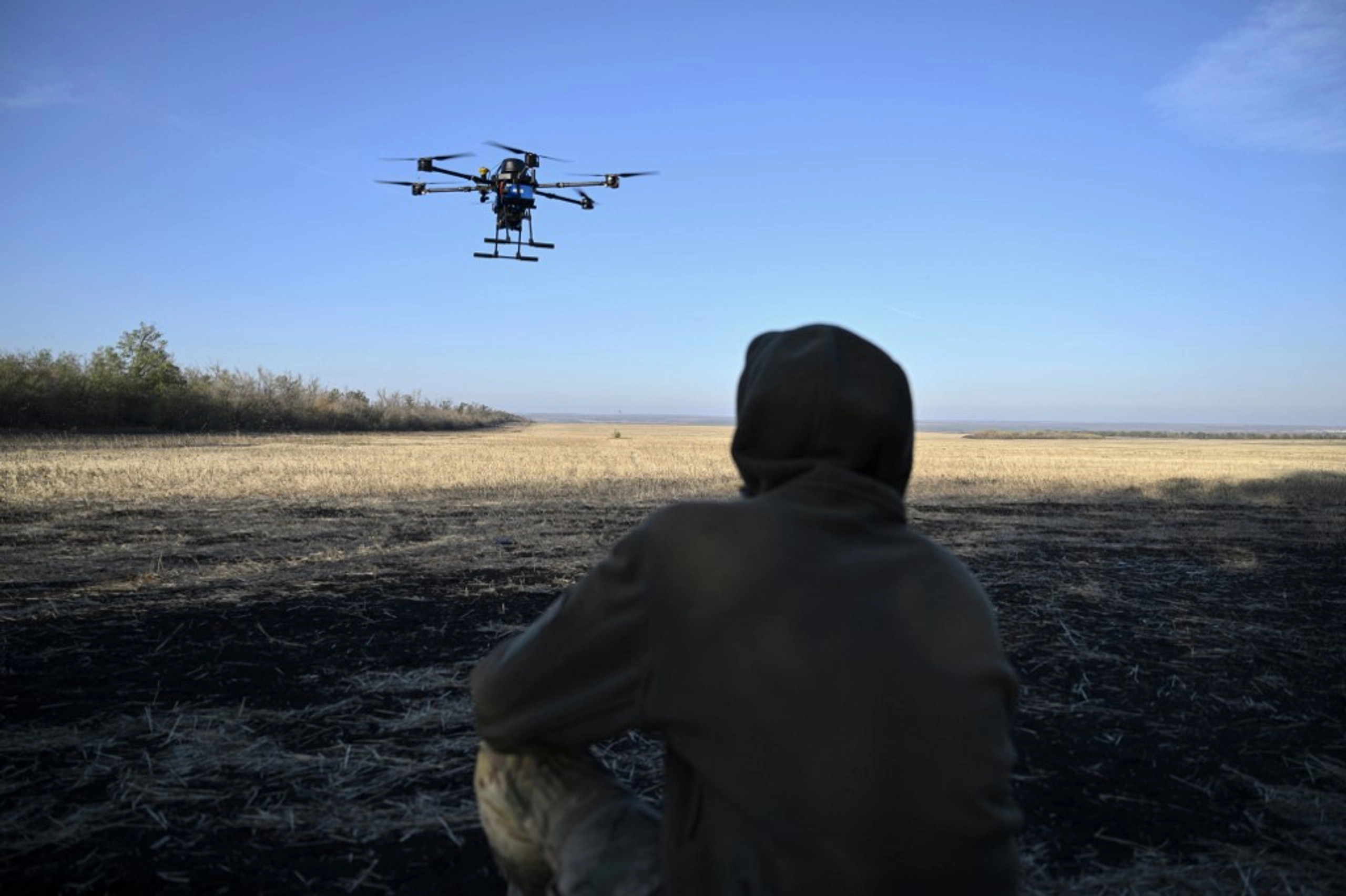
First-person-view or FPV drones are small, fast unmanned aircraft piloted in real time via an onboard camera that streams live video to an operator. They are not toys in the strict sense; rather they are low-cost, highly maneuverable systems adapted for reconnaissance, rapid strike and harassment missions on the modern battlefield. Because FPV drones are inexpensive and adaptable, they have inflamed the balance between mass, cost and precision in contested environments; they let irregular units and well-resourced militaries alike pursue fast, low-risk operations with a small logistics footprint.
FPV drones are attractive for three reasons. First, their cost per sortie can be a fraction of legacy precision munitions. Second, their maneuverability and real-time pilot control allow operators to exploit small gaps in air defence. Third, communities of hobbyists and small manufacturers supply parts, sensors and software; the supply chain has shifted so that innovation now flows from grassroots builders into combat units. That democratization of unmanned systems is reshaping battlefield norms in 2024 and 2025.
How are FPV drones used in modern warfare?
Field reports and research show FPV drones filling roles once reserved for more expensive systems. They operate as improvised loitering munitions, precision-guided strike platforms against soft targets, and directed-reconnaissance assets that feed targeting to other weapons. In Ukraine and other theatres, FPV drones have been used to strike vehicles, radar units and lightly defended positions; they also have been launched from small boats to attack maritime targets. These examples demonstrate how FPV drones act as tactical multipliers rather than strategic game-changers by themselves.
A recent operational pattern is the pairing of FPV drones with dedicated reconnaissance UAVs; one system finds the target while another executes the strike. Such combined arms at small scale can increase first-hit probability and complicate air-defence decision cycles. Moreover, operators now tailor FPV frames with warheads or shaped charges for specific effects; this modularity accelerates mission adaptation.
Which conflicts show widespread FPV drone use?
Ukraine remains the clearest laboratory for FPV drones. Open sources and field analyses document thousands of low-cost FPV sorties, continuous refinement of frames and propulsion, and rapid iteration of tactics based on operational feedback. Observers note that FPV systems have been used to harass long-range missile formations, deny access to tactical areas, and strike critical points in logistics and air-defence arrays. Around the same time, operators in other regions used FPV drones for covert penetration missions and sea-borne attacks, showing the platforms’ adaptability to maritime warfare.
Meanwhile, industry and research centres have tracked a steady trend: FPV drone designs migrating from hobbyist components to hardened, combat-oriented builds. That shift includes higher-power motors, improved video links, and purpose-designed warhead mounts. Counter-measures and interceptor designs have followed; fast FPV interceptors and active jamming solutions are now part of the emerging ecosystem. For example, low-cost interceptor FPV designs advertised by firms in 2025 claim speeds that allow engagements against larger loitering munitions.
Are FPV drones replacing loitering munitions?
FPV drones occupy an operational niche that overlaps with loitering munitions but does not entirely replace them. Loitering munitions usually have longer endurance, preprogrammed guidance options and sometimes larger warheads; FPV drones instead emphasize agility and lower cost. In practice, commanders select FPV drones when they need agility at short range and when economics or access restrictions make larger systems impractical. Operational reports suggest that at most a portion of precision strike tasks are shifting to FPV systems; for complex, long-standoff strikes, conventional loitering munitions remain preferred.

Typical FPV drone tactical patterns
Tactical usage falls into a few repeatable patterns:
- short-range assault: fast, low-altitude approaches to hit soft targets;
- reconnaissance-to-strike pairing: separate ISR drones feed coordinates to FPV strike units;
- maritime launches: coastal boats or small craft deploying FPV drones for raids on ships and platforms;
- saturation and feint: massed small attacks that force defenders to expend interceptors.
These patterns are observable in media, analyses and official accounts; however, they do not prescribe how to build or arm a drone, so they remain appropriate for public discussion.
How to stop FPV drones in conflict zones?
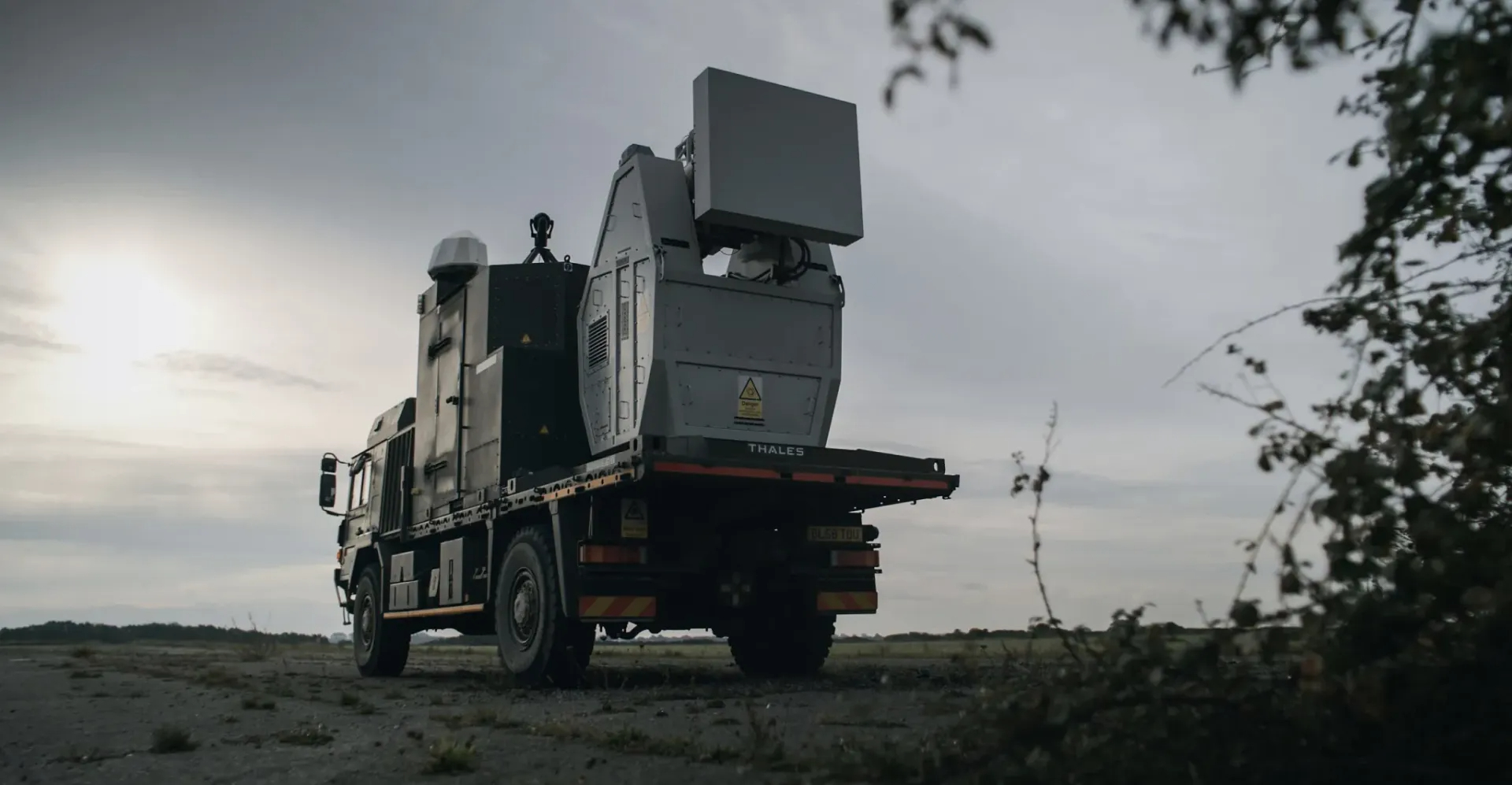
Defenders face a layered problem: FPV drones are fast, cheap and often flown low to blend with clutter. The response has been a combination of kinetic, electronic and procedural measures. Kinetic options include high-rate small-calibre weapons and purpose-built interceptors; electronic options comprise targeted jamming of video links, GPS denial and operator link disruption; detection relies on improved radar algorithms, acoustic sensors and electro-optical spotting. Notably, research into cost-effective interceptors has accelerated, with private firms producing high-speed FPV interceptors intended to chase and neutralize small loitering platforms. Policy and procurement documents show a renewed emphasis on counter-UAS systems built to operate at scale.
However, technological counter-moves by attackers have followed. Some groups shifted from radio links to fiber-optic tethering or to spread-spectrum video links to limit jamming effectiveness; others adopted defensive cameras or sensor suites on cheap decoys to confuse interceptors. The result is an evolving arms race between simple attackers and practical defenders.
What do FPV drone supply chains look like?
What once required bespoke parts now leverages global hobbyist markets and mass-produced electronics. Motors, flight controllers, video transmitters and batteries are widely available; 3D printing and small electronics firms supply frames and mounts. That ubiquity lowers entry costs and shortens development cycles for combat-modified versions. Conversely, advanced components such as custom guidance software or hardened video links remain more restricted; when those are in play, costs rise. Analysts note a bifurcation: very cheap one-use FPV drones for short missions, and mid-range combat FPV systems that include hardened comms and higher performance components.
How are militaries adapting doctrine for FPV drones?
Professional militaries and hybrid forces have responded in three ways. First, they incorporate counter-UAS training into exercises and base protection drills. Second, they adjust tactics to reduce exposure to low-altitude threats; this often includes changes to convoy spacing, night operations and dispersal procedures. Third, acquisition strategies now include rapid procurement of off-the-shelf countermeasures and support for allied industrial partners that can scale production. The net effect is a faster procurement cycle for systems aimed at countering small unmanned threats.
What is next for FPV drone development?
Expect at least three converging trends over the next few years:
- better sensors and encrypted video links that improve survivability in contested electromagnetic environments;
- faster, specialized interceptor FPV designs intended to protect key assets at low cost;
- tighter integration of FPV tactics with larger unmanned fleets and electronic warfare layers, making small drones one node in a combined arms network.
These trajectories are already visible in open analyses and recent procurement notices; they will shape how both attackers and defenders invest in unmanned systems.
Case studies: real-world examples of FPV Drone use
Ukraine: rapid iteration and grassroots innovation
Ukraine demonstrates fast tactical evolution. FPV drones were adapted from hobby frames into weapons and then iterated with better motors, frame designs and video links. Volunteer groups, private firms and military units combined to produce swarms and interceptors that forced tactical adjustments on both sides. Public reporting and specialist analyses show the iterative feedback loop between field use and design improvements.
Maritime FPV strikes: new littoral challenges
Open footage and intelligence reports have shown FPV drones launched from small boats hitting offshore targets and installations. While not a replacement for naval firepower, these attacks present new risks to platforms with limited close-in defences; they also prompted navies to reconsider low-altitude surveillance and harbour protection.
Rapid counter-innovation: interceptor drones
Private firms and volunteer groups have produced FPV-based interceptors able to reach very high speeds to chase down larger loitering munitions. These comparatively low-cost interceptors indicate how quickly cheap solutions can appear when an urgent operational problem arises.
Frequently asked questions
Q: What are FPV drones used for in warzones?
A: FPV drones perform short-range strikes, reconnaissance and harassment missions; they are often paired with ISR assets to increase targeting accuracy.
Q: Can FPV drones replace loitering munitions?
A: They can replace some tasks, especially short-range, low-cost strikes, but they generally lack endurance and payload for many long-standoff missions.
Q: How do militaries stop FPV drones?
A: By combining detection, jamming, interceptor drones and adjusted operational procedures; no single solution is sufficient.
Q: Are FPV drones expensive to field?
A: Basic FPV strike kits remain low cost; more robust, hardened variants raise the price but remain cheaper than many traditional munitions.
Final remarks on operational impact
FPV drones have reshaped tactical thinking by lowering the marginal cost of targeted strikes and by enabling rapid, locally driven innovation. They do not replace air forces or strategic strike systems; rather they create additional threats and opportunities at a human scale. As defenders and attackers adapt, the terrain of unmanned warfare will continue to change. Mature militaries will invest in layered defences and doctrine that reduce vulnerability to rapid, low-cost threats; insurgent and hybrid actors will keep refining inexpensive tactics that exploit those gaps. The most effective responses will pair technology with changes in training, planning and procurement to manage risk across the battlespace.