The conflict in Ukraine has fundamentally altered military doctrine across the globe, largely driven by the relentless proliferation of unmanned systems. Among the most disruptive technologies to emerge are Russian kamikaze drones, also known as one-way attack (OWA) UAVs or loitering munitions. These systems have transitioned from niche tactical assets to strategic weapons capable of crippling infrastructure and overwhelming sophisticated air defenses.
This shift represents a democratization of precision airpower. In the past, only expensive cruise missiles could strike deep behind enemy lines. Today, Russian kamikaze drones offer a low-cost alternative that can be deployed in swarms to saturate the battlespace. Understanding the technical evolution, tactical application, and strategic impact of these weapons is essential for grasping the modern face of high-intensity warfare.
The Rise of Loitering Munitions
The concept of a “suicide drone” is not entirely new; however, the scale of its application in Ukraine is unprecedented. Russian kamikaze drones effectively bridge the gap between cruise missiles and traditional reconnaissance UAVs. They are designed to hover or loiter around a target area for some time, searching for targets, and then attack by crashing into them.
The primary advantage is economic asymmetry. A single cruise missile might cost millions of dollars, whereas Russian kamikaze drones like the Geran-2 often cost a fraction of that sum. This price disparity allows commanders to launch dozens of units simultaneously, forcing the defender to expend scarce, high-value interceptors against cheap, disposable airframes. This “cost-exchange ratio” has become a central tenet of the attrition strategy seen in recent months.
The Arsenal: Key Russian Kamikaze Drones
Russia has deployed a tiered arsenal of loitering munitions, ranging from long-range strategic strikers to short-range tactical battlefield disruptors.
The Geran-2 (Shahed-136)
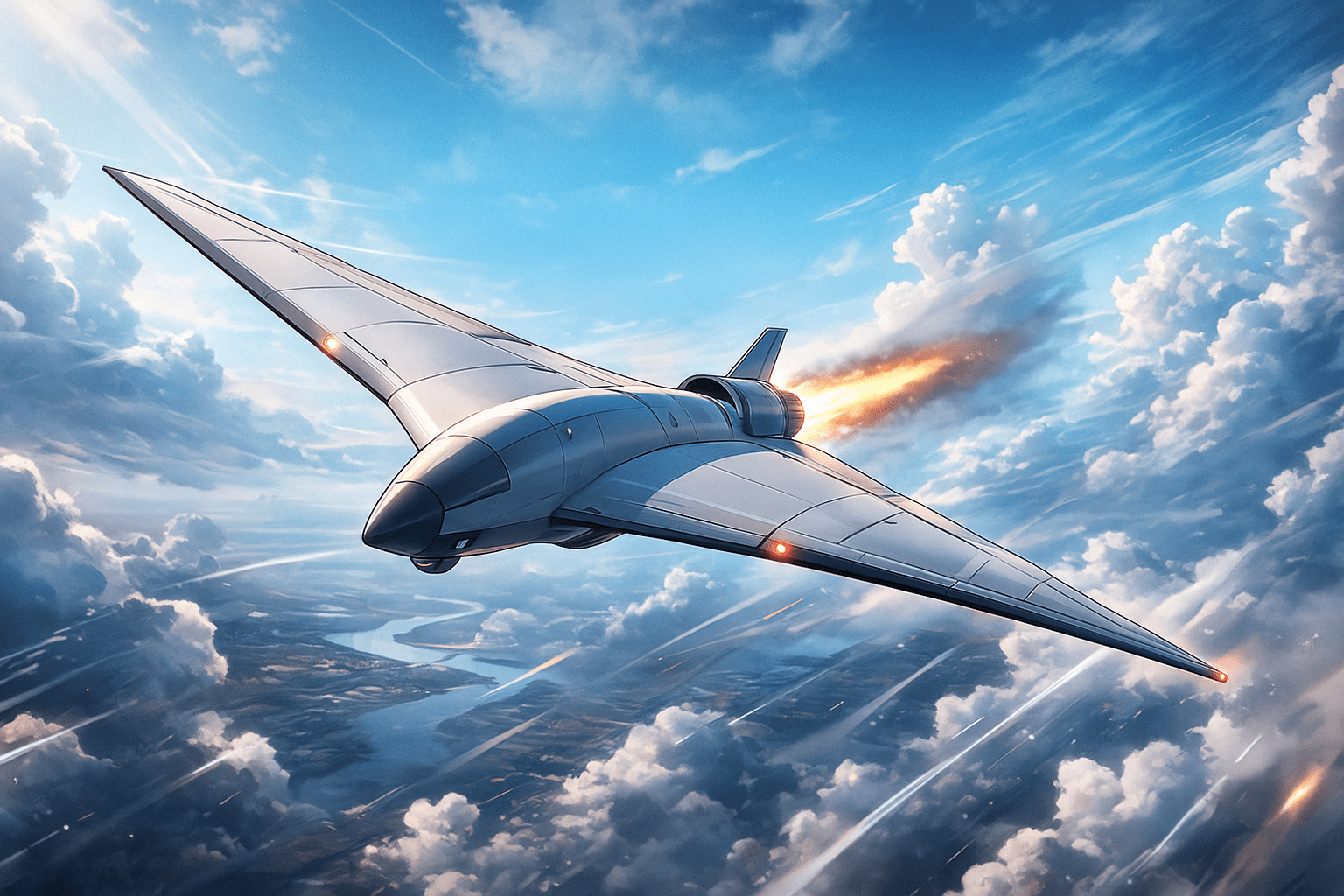
The most recognizable of Russian kamikaze drones is the Geran-2, a localized variant of the Iranian Shahed-136. First appearing in late 2022, this delta-wing drone is powered by a loud piston engine—often compared to a lawnmower—and carries a warhead of approximately 50 kilograms.
Recent industry trends from late 2024 and 2025 indicate substantial upgrades to this platform. Production has shifted domestically to the Alabuga Special Economic Zone, allowing for rapid scaling. The latest iterations feature:
- Jet Engines: Newer models reportedly utilize jet propulsion, increasing speeds up to 500 km/h to reduce interception windows.
- Stealth Features: Many units are now painted black and utilize carbon fiber materials to reduce their radar cross-section and visual signature during night raids.
- Advanced Warheads: Reports from late 2024 suggest the integration of thermobaric warheads, which create a massive pressure wave and high heat, causing devastating damage in enclosed spaces.
ZALA Lancet
While the Geran-2 strikes static infrastructure, the ZALA Lancet serves as the primary tactical hunter-killer. Used extensively against high-value targets like artillery systems and radar stations, the Lancet has proven highly effective.
In 2025, the manufacturer unveiled the “Lancet-E” export variant, boasting extended ranges of up to 45 kilometers and enhanced thermal imaging for night operations. The Lancet utilizes an “X-wing” aerodynamic design for high maneuverability in the terminal phase. It is frequently paired with a reconnaissance drone, such as the ZALA Z-16, which identifies targets and relays coordinates. This “hunter-killer” pairing allows Russian kamikaze drones to strike moving armor with high precision.
The FPV Revolution and Fiber Optics
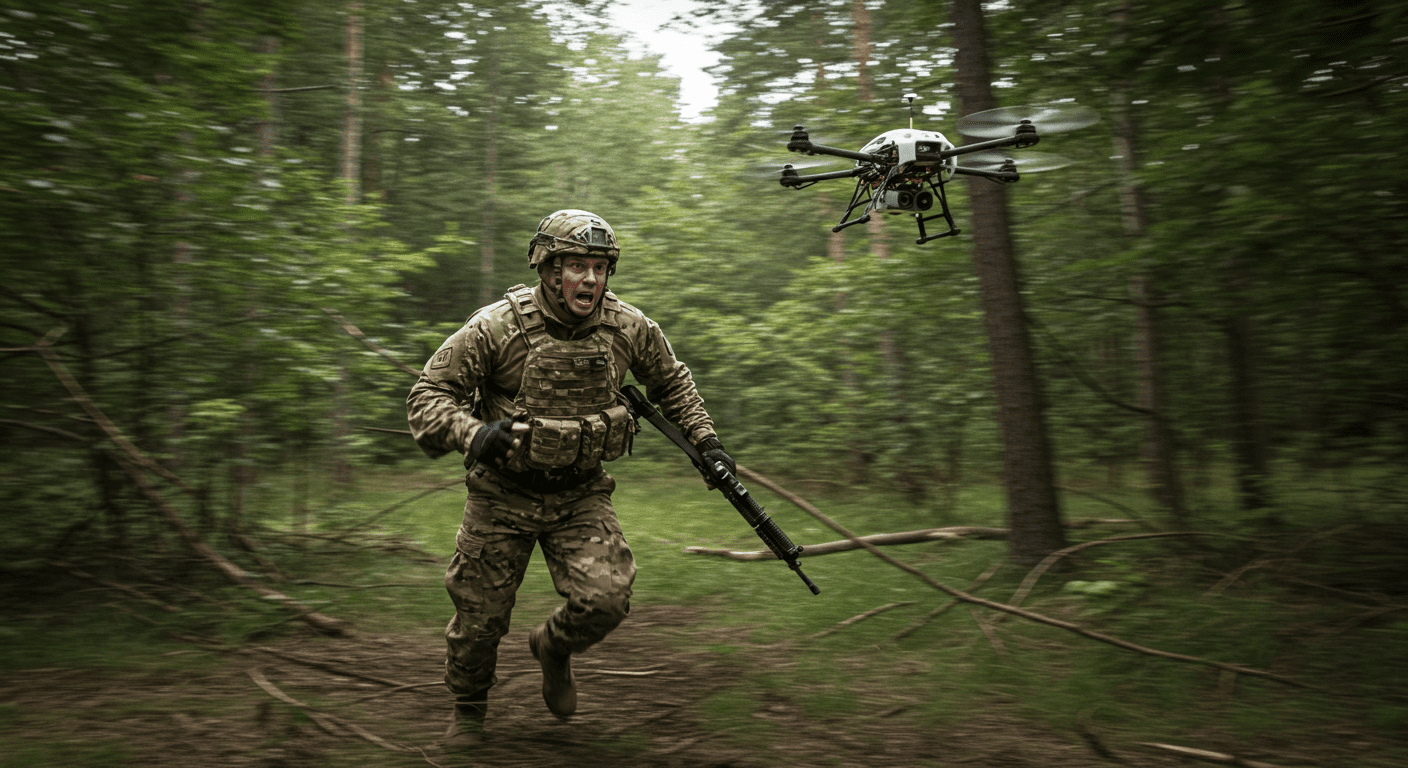
At the tactical edge, First-Person View (FPV) drones like the “Ghoul” (Upyr) have become omnipresent. Originally hobbyist racing drones strapped with explosives, these have evolved into military-grade munitions.
A critical innovation observed in late 2024 is the shift toward fiber-optic control. Traditional radio-controlled drones are vulnerable to Electronic Warfare (EW) jamming; however, Russian kamikaze drones equipped with fiber-optic spools unspool a physical wire as they fly. This hardwired connection makes them immune to radio jamming and provides crystal-clear video feeds right up to the moment of impact, even in the final meters where signal loss usually occurs.
The Molniya Fixed-Wing Drone
A newer entrant is the Molniya (“Lightning”). Unlike the quadcopter-style FPVs, the Molniya is a cheap, fixed-wing drone constructed from simple materials like plywood and foam. It flies faster and further than multicopters, filling the gap between short-range FPVs and the heavier Lancets. Its simplicity allows for mass production, adding another layer of saturation to the front lines.
Tactical Evolution: Swarming and Saturation
The employment of Russian kamikaze drones has forced a complete rethink of air defense tactics. The primary strategy is now saturation. By launching swarms of 30, 40, or even 50 UAVs simultaneously, Russian forces aim to deplete the ammunition magazines of Ukrainian air defense systems like the Patriot or IRIS-T.
Complex Attack Vectors
Operators no longer fly these drones in straight lines. Russian kamikaze drones are programmed with complex waypoints, changing altitude and direction to exploit terrain masking. They often fly along riverbeds or highways to stay below radar horizons.
Furthermore, recent tactics involve “mixed” strikes. A typical barrage might include:
- Decoy Drones: Unarmed variants or drones wrapped in foil to create large radar returns, drawing out defender fire.
- Killer Drones: Armed Geran-2s following in the wake of the decoys.
- Missiles: Cruise or ballistic missiles timed to arrive just as the air defense batteries are reloading.
The “Double Tap” Strike
A particularly lethal tactic is the “double tap” strike. A first drone hits a target; then, a second drone is timed to strike the same location minutes later, targeting first responders and rescue crews. This method complicates damage control and increases personnel casualties.
Countermeasures and Defenses
Defending against Russian kamikaze drones requires a layered approach. Relying solely on multimillion-dollar interceptors is financially unsustainable.
Mobile Fire Groups
The most cost-effective defense has been the formation of mobile fire groups. These are small teams mounted on pickup trucks, equipped with heavy machine guns, searchlights, and thermal sights. They rely on acoustic sensors and visual spotting to shoot down slow-moving drones like the Geran-2. This low-tech solution saves expensive missiles for high-priority threats.
Electronic Warfare (EW)
EW systems engage in a constant cat-and-mouse game. “Spoofing” GPS signals can cause Russian kamikaze drones to veer off course or crash. However, the introduction of the Kometa-M anti-jamming antenna on Russian UAVs has made them more resilient. Additionally, the aforementioned fiber-optic drones completely bypass this defense layer.
Physical Barriers
For static assets, physical barriers have returned to vogue. “Cope cages” or anti-drone nets are now standard on tanks and artillery pieces. Large steel nets are also being erected around critical energy infrastructure to physically catch Russian kamikaze drones before they detonate against transformers or turbines.
Strategic Impact on the War Economy
The proliferation of Russian kamikaze drones has turned the conflict into a war of factories. The strategic goal is often economic attrition rather than purely territorial gain. If Russia can force Ukraine to spend a $2 million interceptor to stop a $50,000 drone, the attacker wins the economic exchange even if the attack fails.
This dynamic has spurred a domestic drone industry in Ukraine as well, leading to a “drone vs. drone” warfare environment. However, the sheer industrial capacity to produce Russian kamikaze drones in facilities like Alabuga ensures they will remain a persistent strategic threat.
Future Trends: AI and Autonomy
The next frontier for Russian kamikaze drones is autonomous targeting. As jamming becomes more intense, reliance on human pilots or GPS becomes a weakness.
Reports from 2025 suggest that Russia is integrating onboard AI computers, such as derivatives of the Nvidia Jetson modules, into their drones. These systems use “machine vision” to recognize targets without external communication. An AI-enabled drone can identify a tank or howitzer by its shape and engage it automatically, even if all radio links are severed. This capability moves the battlefield toward fully autonomous lethal systems, a development that raises new tactical challenges for defenders.
Frequently Asked Questions
What are Russian kamikaze drones mainly used for?
They are primarily used for two missions: strategic strikes against energy and logistical infrastructure (using long-range drones like Geran-2) and tactical strikes against vehicles and artillery on the front line (using Lancet and FPVs).
How do Russian kamikaze drones navigate without GPS?
Many modern variants use Inertial Navigation Systems (INS) that calculate position based on speed and time, which works even if GPS is jammed. Newer models also use visual terrain matching and AI to “see” the ground and navigate.
Are fiber-optic drones better than radio-controlled ones?
Fiber-optic drones are immune to electronic jamming and provide higher-quality video, which is a major advantage. However, their range is limited by the length of the cable, and the cable can snag on obstacles like trees or power lines.
What is the cost of Russian suicide drones?
Costs vary by model. Small FPV drones can cost as little as $500. The larger Shahed-136/Geran-2 is estimated to cost between $20,000 and $50,000, while the sophisticated Lancet is more expensive but still cheaper than a standard missile.
Final Thoughts
The widespread use of Russian kamikaze drones has irreversibly changed modern combat. They have proven that low-cost, mass-produced technology can achieve strategic results when used creatively. For military observers and defense planners, the lessons from Ukraine are clear: the future of air superiority lies not just in advanced fighter jets, but in the ability to defend against—and deploy—swarms of autonomous, lethal, and expendable unmanned systems.