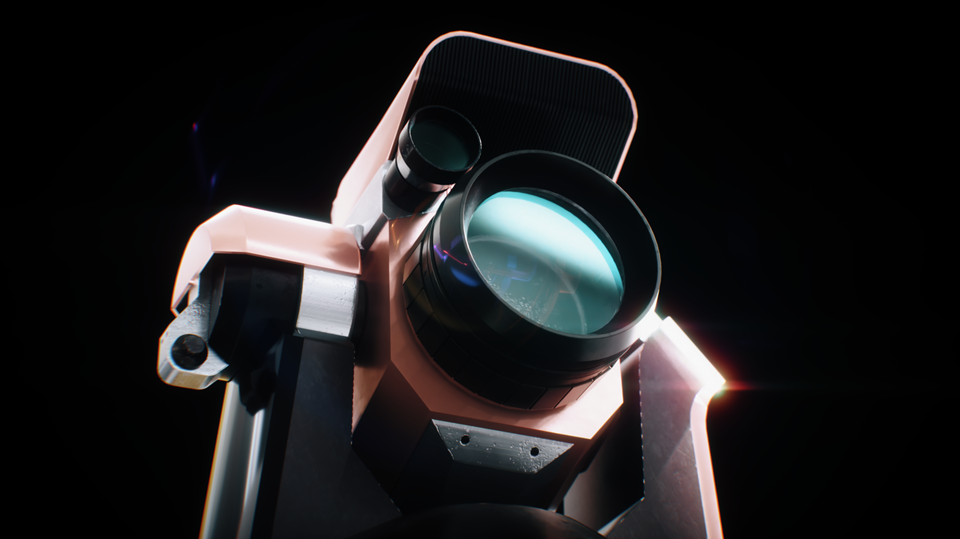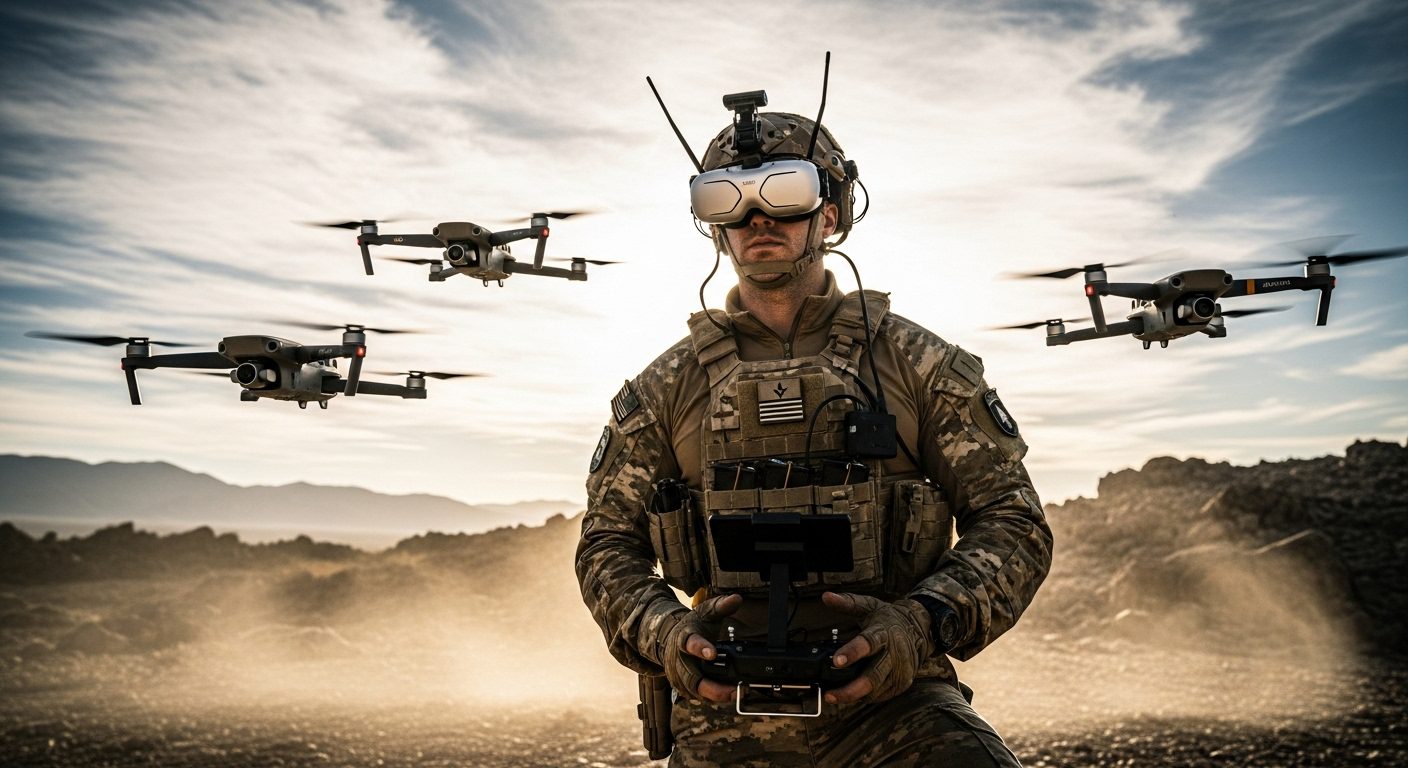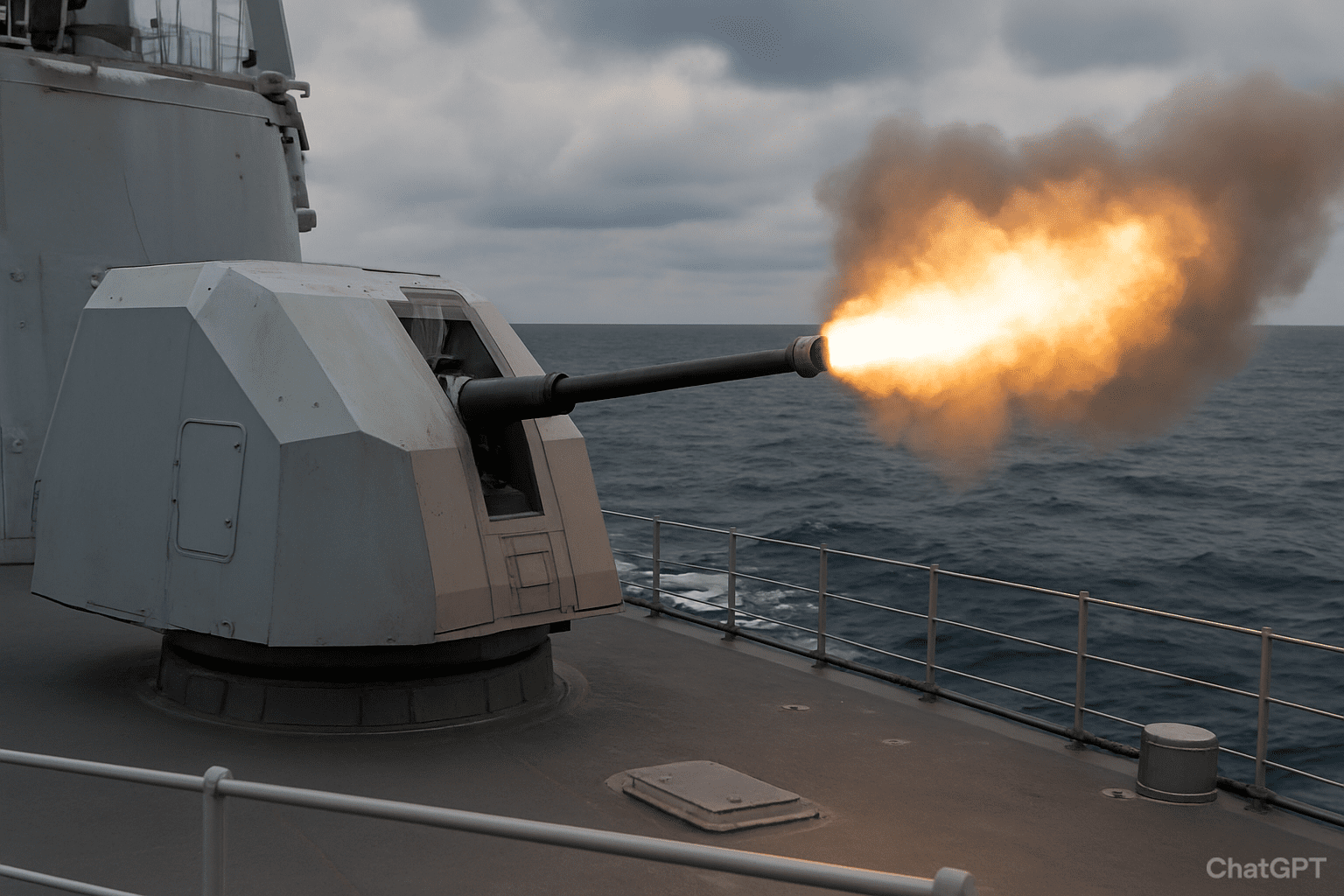
Autonomous weapons are military platforms that use artificial intelligence and automation to sense, decide, and act with reduced or no direct human input. They include drones, loitering munitions, naval vessels, and defence turrets capable of identifying and engaging targets. These systems are being tested and fielded by several militaries, raising questions about the role of electronic warfare in contested environments.
Why autonomous systems matter in modern warfare
Autonomous systems are no longer experimental curiosities. They are increasingly common across domains of land, sea, air, and space. Militaries turn to them for faster decision cycles, reduced risk to human operators, and the ability to operate at scale. These systems can loiter over target areas, conduct surveillance for days, or defend assets in fractions of a second.
Yet with these benefits come risks. Artificial intelligence may misclassify targets, electronic warfare can deceive sensors, and adversaries can exploit software vulnerabilities. Understanding the current state of autonomous weapons systems requires examining both the technology and the context in which it is being deployed.
In 2023, the U.S. Department of Defense updated Directive 3000.09, setting strict standards for testing, cybersecurity, and human oversight of autonomy in weapons. Meanwhile, the United Nations Convention on Certain Conventional Weapons continues discussions on lethal autonomous weapons, where states debate definitions and control mechanisms. These policy shifts show that autonomous systems are not only technical but also political and legal challenges.
How do autonomous weapons systems work
Levels of autonomy in weapons systems
Autonomy is not a binary concept. Military analysts usually describe three levels:
- Automated systems operate on fixed rules. Example: close-in weapon systems (CIWS) that automatically fire on incoming missiles once activated.
- Semi-autonomous systems take over parts of the kill chain but leave lethal decisions to a human. Example: remotely piloted drones that suggest targets but require operator approval to strike.
- Fully autonomous systems can search, identify, and engage targets without human authorization in real time. These are the most controversial and least widely fielded.
This taxonomy helps policymakers decide what level of human control is required, and it sets boundaries for testing and doctrine.
How AI powers autonomous systems
Artificial intelligence is the engine inside modern autonomous systems. It enables perception, navigation, and mission execution.
- Sensor fusion: AI combines radar, infrared, acoustic, and optical data into a single operating picture.
- Target classification: machine learning models attempt to distinguish hostile threats from neutral or friendly objects.
- Navigation: path-planning algorithms help systems move through complex terrain or denied environments without GPS.
- Mission management: AI enables loitering munitions to wait for the right conditions before striking, or naval drones to patrol wide areas autonomously.
- Self-preservation: advanced systems can detect anomalies, switch to backup modes, and avoid hostile fire without operator input.
Testing AI for combat use is challenging. Training data may not reflect battlefield complexity. A model that works in lab conditions may fail when smoke, clutter, or deception is introduced. This is why militaries require rigorous operational testing before field deployment.

Real-world examples of autonomous systems in combat
Loitering munitions
Loitering munitions, sometimes called “kamikaze drones,” combine reconnaissance and strike. They circle an area until a target appears and then dive to destroy it. Both state and non-state actors have used them extensively in conflicts across the Middle East and Eastern Europe. In Ukraine, loitering munitions have been employed for both precision strikes and psychological effect, showing how autonomy scales combat at relatively low cost.
Naval drones
Navies are adopting autonomous surface and underwater systems for mine clearance, intelligence collection, and even long-range strike. The U.S. Navy and allied fleets experiment with large unmanned surface vessels capable of weeks of endurance, while smaller nations are turning to commercial-style drone boats for asymmetric tactics.
Air defense turrets
Automated defense systems such as Israel’s Iron Dome or the U.S. Phalanx CIWS are semi-autonomous by design. Once activated, they can detect and intercept incoming threats faster than human operators could respond. These systems already blur the line between automation and autonomy.
Swarm experiments
Several militaries, including China and the United States, are testing swarms of drones that coordinate using distributed AI. Swarms complicate air defense by presenting dozens of simultaneous targets. They also allow for reconnaissance, deception, and electronic warfare roles at scale.
The role of electronic warfare in autonomous systems
Electronic warfare and autonomous systems are deeply connected. Every autonomous platform relies on sensors, data links, and navigation signals. Jamming, spoofing, or cyber intrusion can degrade or disable these dependencies.
- Spoofing GPS can trick a drone into miscalculating its position.
- Jamming communication links can sever control between operator and system.
- Deception using decoys or signature manipulation can cause false target recognition.
- Cyber attack on onboard software can alter decision-making or disable safety features.
Conversely, autonomous systems can also perform electronic warfare functions. Small drones equipped with jammers can disrupt enemy communications, while naval drones can carry electronic support payloads to map adversary emissions.
The interplay between electronic warfare and autonomy means militaries must develop systems resilient to spectrum denial while also preparing offensive options to counter adversary autonomy.
Vulnerabilities and risks
While autonomous systems offer speed and reach, they introduce vulnerabilities:
- Over-reliance on sensors makes them easy to mislead with deception techniques.
- Data poisoning during AI training could create blind spots exploitable in combat.
- Escalation risk increases when autonomous systems respond faster than humans, potentially creating unintended engagements.
- Accountability gaps emerge if decisions are made without clear human oversight.
For example, in civilian airspace near conflict zones, GPS interference has already caused navigation issues for airliners. If a weaponized autonomous platform misinterprets such interference, it could strike unintended targets.
Legal and ethical debates
The question of human control is at the center of international debate. The UN Group of Governmental Experts on lethal autonomous weapons has met repeatedly to discuss whether international law should ban or regulate fully autonomous weapons. Some states advocate for a preemptive ban, while others argue that autonomy can improve precision and reduce civilian harm if properly regulated.
National policies vary. The United States requires “appropriate levels of human judgment” in the use of lethal force. NATO documents list autonomy as an emerging disruptive technology but stress human accountability. Civil society groups continue to push for stronger restrictions, warning of an arms race in AI-driven weaponry.
Industry and procurement trends
Defense industries are investing heavily in AI-driven platforms. Analysts report rapid growth in the global market for autonomous systems, covering aerial drones, maritime platforms, and land vehicles. Several trends stand out:
- Shift to software-defined systems: autonomy modules can be updated in the field, much like smartphone apps. This allows faster innovation but raises cybersecurity concerns.
- Commercial dual-use technology: many autonomous functions rely on components from civilian robotics and AI, which blurs the line between military and commercial regulation.
- Attritable designs: militaries pursue low-cost drones and munitions that can be used in high numbers without financial or political burden if lost.
- International competition: reports suggest China, Russia, and Western allies are all accelerating fielding of autonomous systems, fueling debates about balance and escalation.
Future directions to watch
- Swarms at scale: expect demonstrations of hundreds of coordinated drones acting as one.
- Space-based autonomy: satellites capable of autonomous maneuver or defense against threats.
- AI-driven electronic warfare agents: systems that can sense, classify, and jam automatically in contested spectra.
- International norms: future treaties or codes of conduct may limit or regulate autonomous weapons.
- Human-machine teaming: more operations will combine human judgment with machine speed, balancing risk with oversight.
Frequently asked questions
What are autonomous weapons systems?
They are platforms that use artificial intelligence and automation to detect, decide, and act in combat with limited or no human input.
Are they legal under international law?
There is no global ban. International law requires distinction, proportionality, and accountability. Some nations argue autonomy can meet these standards; others disagree.
How does electronic warfare affect autonomy?
Electronic warfare can jam, spoof, or deceive sensors and communications, disrupting autonomous functions. At the same time, autonomous systems can perform electronic warfare roles themselves.
Will humans always remain in control?
Policies in countries like the United States require human judgment in lethal decisions, but debates continue about where to draw the line.
Final takeaways
Autonomous systems are reshaping modern combat. From loitering munitions in active conflicts to naval drones patrolling strategic waterways, the shift from human-operated to AI-enabled systems is already underway. These platforms offer speed, persistence, and scale, but they also create vulnerabilities in electronic warfare, cybersecurity, and legal accountability.
The debate over control and ethics will continue, yet the operational reality is clear: autonomous systems are here, and militaries must train, procure, and legislate with them in mind.